

By ISAIAH FRIZZELL
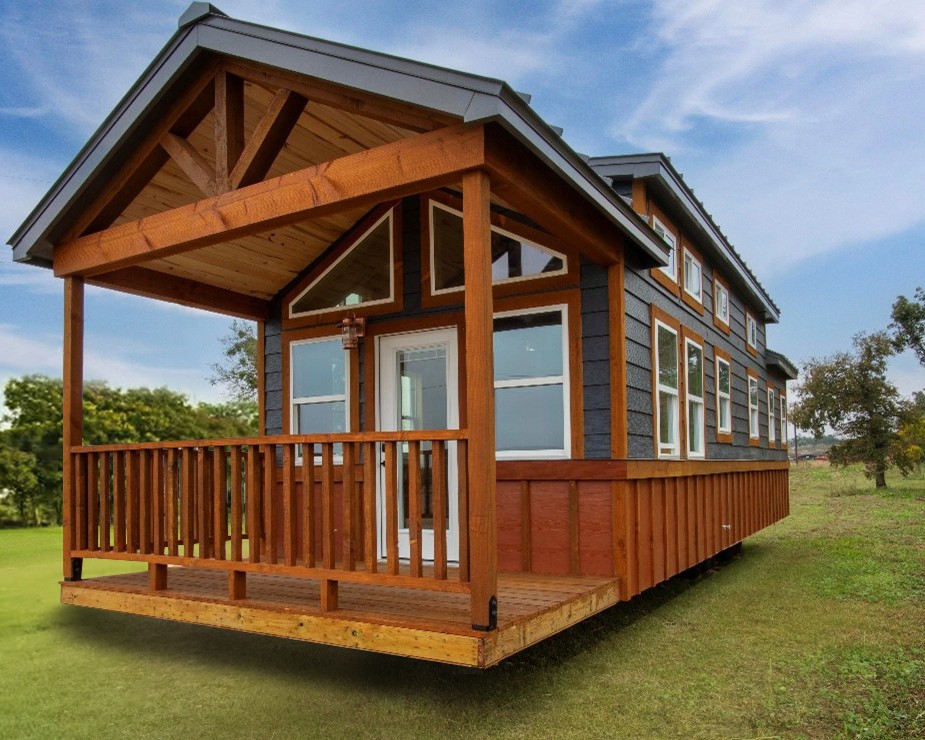
Affordable housing in the Wood River Valley has always been at the top of major concerns for those who live and work in the area. Last week, Snake River Tiny Homes hosted a free “Tiny Homes 101: A Community Workshop” in Hailey. The event was to educate people on practical housing solutions and how they might solve some of Blaine County’s housing crisis.
“Tiny homes on wheels are becoming increasingly accepted throughout the United States as a popular form of alternative housing,” said Porter Talbot, of Snake River Tiny Homes, in Rigby, Idaho.
Blaine County remains an expensive housing market, a scenario that has created a severe shortage of attainable housing for residents and workforce employees. Considered more sustainable than a conventional home, tiny homes are now permitted in Blaine County, which adopted the 2018 International Residential Code with Appendix Q, as well as NOAH+ standards to allow tiny homes on wheels except for in Bellevue, where tiny Accessory Dwelling Units (ADUs) must have permitted foundations.
“In 2022, citing a ‘housing emergency’ in the area, Blaine County adopted ordinances allowing certified tiny homes that meet strict safety and building standards. The county is setting the standard for other jurisdictions, ” said Porter Talbot.
Less expensive to maintain, tiny homes are proving popular as building prices increase across the board, from materials, shipping, and labor to land, taxes, and gasoline. There are several reasons to consider the acquisition of a tiny home: financial, philosophical, environmental, multi-generational housing, and even mobility.
Tiny homes are nothing new, of course. There were mining cabins and sharecroppers’ cabins, homesteading cabins, and teepees. In 1854, Henry David Thoreau’s seminal book “Walden” exemplifies living off the grid. In a rejection of excess, he built a 10-foot-by-15-foot cabin; an adequate shelter, with everything purely functional.
A little over a century later, the back-to-the-land trend in the 1970s was a cultural and practical backlash against the waste and excess of the post-war years. Lloyd Kahn, of the Whole Earth Catalog, published ‘Shelter’ in 1973, which helped show that simple, homemade structures made from local materials could be beneficial to people and the environment. The concept still applies.